• Art Lessons
    • Nature Study
      • Art Lessons by Season
        • Winter
          • Valentines Day
        • Spring-Flower Power
        • Fall
          • Halloween
            • Monsters
    • Art History Timeline
      • Cave Painting
      • Egyptian Art
      • Greek Art
    • Art Lessons of the Masters
      • Monet
      • Matisse
      • Picasso
      • Beckmann
      • Dine
      • Gauguin
      • Expressionism
      • Kahlo
      • O’Keeffe
      • Ray
      • VanGogh
    • America’s National Parks
    • Architecture
    • Art and Literature
      • The Art of Stories
      • Art and Literature
      • Fairy Tales
    • Art and Science
      • Animals
      • Space
    • Hispanic Heritage Art
    • Landscape
    • Elements of Art
      • Line
      • Shape
      • Color
      • Value
      • Form
      • Texture
      • Space
    • Travel the World of Art
      • Folk Art
      • Art of Africa
      • Art of China
      • Art of England
      • Art of Germany
      • Art of the Himalayas
      • Art of India
      • Art of Mexico
        • Art of the Day of the Dead
      • Art of Russia
    • Art Lessons by Technique
      • Chalk Pastels
      • Directed Drawing
      • Felting
      • Mixed Media
      • Painted Paper
      • Portraits
      • Sculpture
      • Still Life
      • Tempera Paint
      • Watercolors
      • Weaving
  • The Art Room
    • Art Room Design
    • The Art Teacher Planner
    • Art of Making Murals
    • Videos
    • About Painted Paper Art
      • Press
  • Visit the SHOP
  • Painted Paper Play
    • Playhouse
  • The Painted Garden

Painted Paper Art

mini masterpieces of art for kids

Art Room Design, Cabinet of Curiosities, Nature

Cabinet of Curiosities

August 20, 2021 Comments : 2

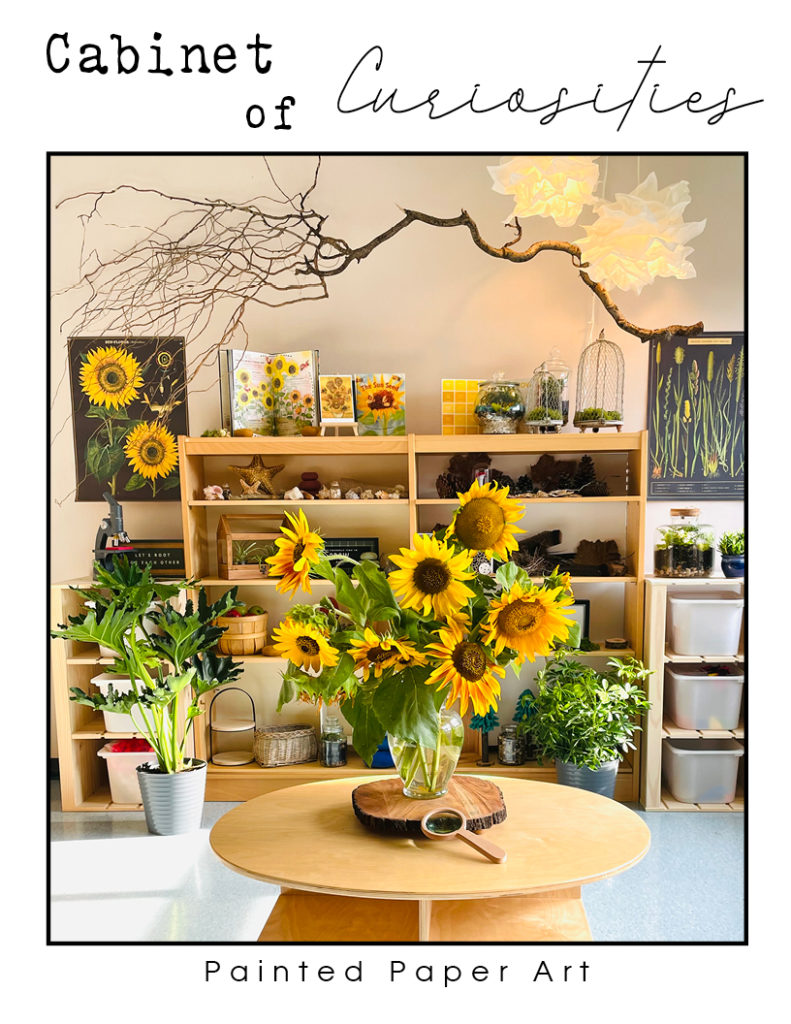
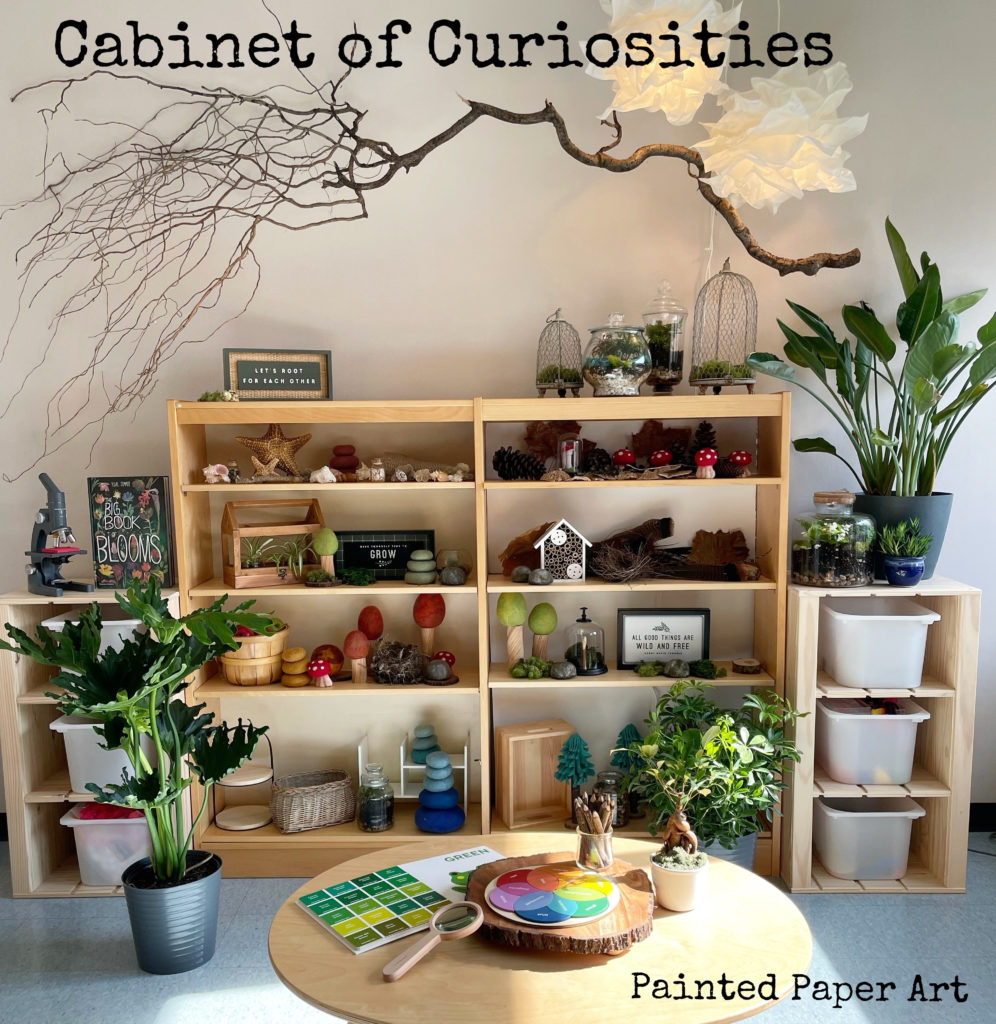
Cabinets of curiosities also known also Cabinets of Wonder, and wonder-rooms were collections of notable objects. The word cabinet was described as a room rather than a piece of furniture. Modern terminology would categorize the objects included as belonging to natural history (sometimes faked), geology, archaeology, works of art (including cabinet paintings), and antiques.

Background Information of a Cabinet of Curiosities

The classic cabinet of curiosities emerged in the sixteenth century, although more rudimentary collections had existed earlier. In addition to the most famous and best documented cabinets of rulers and aristocrats, members of the merchant class and early practitioners of science in Europe formed collections that were precursors to museums.

A cabinet of curiosities – or wunderkammer – stored and exhibited a wide variety of objects and artifacts, with a particular leaning towards the rare, eclectic and esoteric. Through the selection of objects, they told a particular story about the world and its history.

The cabinets commonly featured antiques, objects of natural history (such as stuffed animals, dried insects, shells, skeletons, shells, herbarium, fossils) and even works of art.

In cabinets of curiosities, collections were often organized into about four categories (called in Latin):

Artificialia, which groups the objects created or modified by human (antiques, works of art);

Naturalia, which includes creatures and natural objects (with a particular interest in monsters);

Exotica, which includes exotic plants and animals; and

Scientifica, which brings together scientific instruments.
Keep on Exploring, Wondering and Creating!

Previous:
Artist Study: Vincent Van Gogh
Next:
The Art Teacher Nature Planner

You might also enjoy

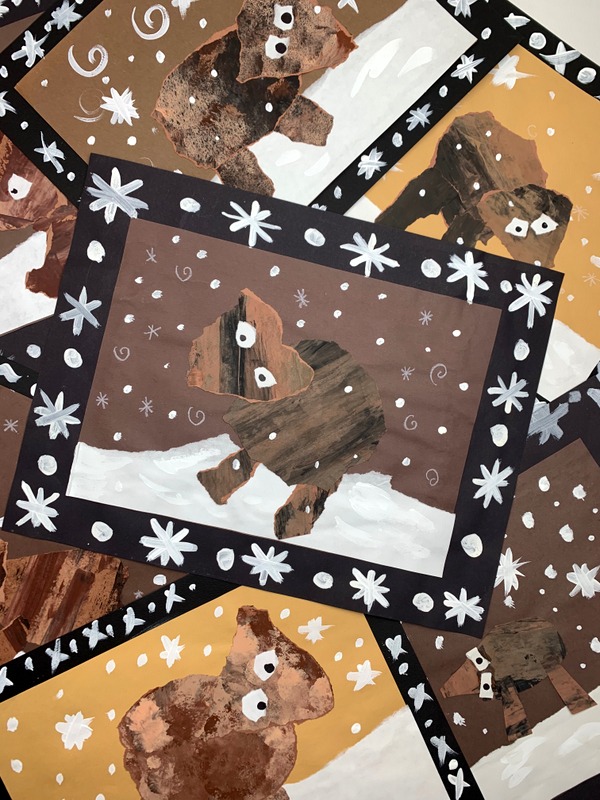
Winter Bear
Gray Owls
Karl Schrag: Landscapes with Lines

Comments

  1. Tana M Johnoff says

    August 28, 2021 at 4:29 pm

    Please do suggestions for cart art! I LOVE your lessons, but most are only doable in a large space -not on individual desks. Also, please address messes in homerooms, and storage of wet and dry papers when sharing an office (closet) with the music teacher who has large instruments. It really can suck the creative life out of a teacher.

    Reply
    • Laura says

      September 12, 2021 at 9:57 am

      I taught off a cart for years. I still use the same organization tools. Boxes for projects that are then stored in a cabinet. I have switched to watercolor as I just use a little water container and drop water on the lids of the watercolor pans. I don’t use water for tempera paint and that has been my game changer.

      Reply

Leave a Reply Cancel reply

Your email address will not be published. Required fields are marked *

About Me

Hello

Hello! Welcome to my little spot to share Art, Children's Books, Gardening and special things to inspire creativity! Do you love to paint? I sure do! Tempera Paint, Watercolor Paint, Paint sticks! I love helping kids create art, seeing them start with a blank paper, exploring with art materials, creating beautiful mini masterpieces. I encourage my students to become fine art explorers, learning about various artists and cultures. In my spare time I love creating fun, bright art inspired by nature. I also enjoy collecting vintage fisher-price toys and Little Golden Books. Thanks for visiting!

Van Gogh’s Into the Woods

Van Gogh’s Into the Woods

Fall Leaves

Fall Leaves

Enjoy the Colors of Nature!

Enjoy the Colors of Nature!

Colors of Fall

Colors of Fall
Design by SkyandStars.co

© Laura Lohmann. 2010-2026